

A possible pilot
Draft product descriptions from existing master data and flag missing attributes before publication.
AI in retail & e-commerce · For large organisations & Enterprise
Large catalogues, multiple brands and different sales channels need reliable data and clear approvals. We help retail organisations assess AI for product information, customer service and planning with agreed rules across teams and systems.

YOUR STARTING POINT
For e-commerce leadership, operations and IT, the challenge goes beyond drafting a text. Product facts, brand rules, regional differences and responsibilities must align. A pilot needs to show whether quality holds at greater scale and as data changes.

Generate drafts from approved product data for defined brands and channels. Document checks for mandatory details, variants and translations; keep approvals and changes traceable.

Support service teams with current product, delivery and returns information. Account for roles, markets and exceptions. Evaluate answer quality, corrections and escalation of complex cases.
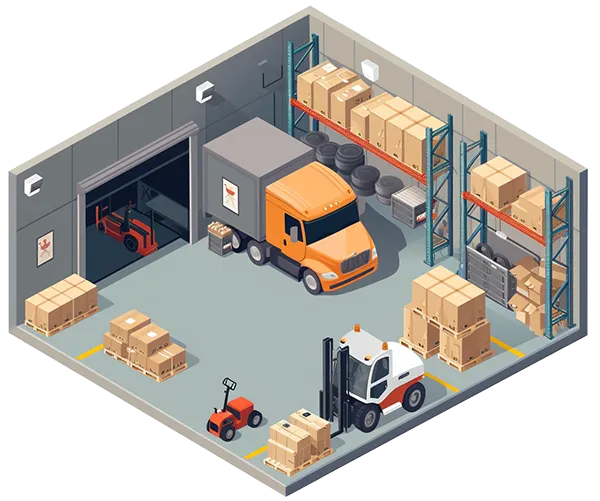
Examine sales and stock data in a bounded forecasting trial. Make seasonality, promotions and gaps visible. Compare against an existing baseline before planning relies on the results.
A useful pilot produces a decision brief: assessed data sources, quality criteria, ownership and an estimate of ongoing effort. Its scope and deliverables are agreed before implementation.
Choose a workflow with its domain owner. Agree source access, typical cases, exceptions and a comparison with the current process.
Assess output quality, traceability, errors, review effort and costs. Define who approves wider use and which findings would stop it.
Plan maintenance, support, permissions and changes. Check differences between teams or sites before extending use.
Training empowers your team to use AI independently in their daily work. Our consulting, on the other hand, guides you strategically from potential analysis to company-wide integration.
Train content, customer service, category management and leadership with role-specific examples and shared quality rules.
Assess sources, approvals and economics for prioritised use cases and plan a controlled transition into multichannel operations.
Simply contact us for a no-obligation initial consultation.
Free initial consultationAI for retail and e-commerce
A useful starting point is a specific task. These points help you assess value, effort and prerequisites for your project.
Draft product descriptions from existing master data and flag missing attributes before publication.
Account for separate ownership across PIM, ERP, shops and country teams. Test one category in one market first.
A defined product range, reliable attributes, language guidelines and rules for product claims.
Compare correction time, completeness, false product statements and effort per published item.
AI must not invent attributes. Prices, availability and delivery commitments come from the responsible systems.
Data preparation, the number of systems, exception handling and professional review affect the effort. The proposal defines deliverables, acceptance, ownership and recurring costs. A more extensive solution is worthwhile only when the additional value justifies it.
We discuss your task and clarify which service fits.
Discuss a concrete use case with us, including its domain owners, system boundaries and success criteria.
Request a free initial consultation